
Welcome to our first blog! We can’t guarantee how often we’ll find time to clean the dirt off our hands or wipe the sweat from our brow, to sit and write, but here we are and we’re going to dive straight in – to a tea cup.
The Kununurra Community Garden will be hosting a ‘Garden Tea Party’ this Sunday and we’re really looking forward to brewing it up with all our wonderful local community members. This blog will talk about a few of those teas we’ll be creating. Hopefully on the day we’ll find a few more to create that I can add here later.
One of the most rewarding benefits of tending a garden, other than nurturing the plants, is harvesting the produce. Sometimes that harvest doesn’t look like a bunch of bananas or a nice big head of broccoli or 30 knobs of garlic. Sometimes, it might just be a few leaves in a glass of hot water. The benefits of fresh teas from the garden are incredibly nourishing, nutritious, detoxing and healing. It reminds us to observe the smaller parts of the garden and consider how we can utilise all parts of the whole. We’re always continuing our learning about the healing benefits of plants. Just writing this blog has taught me many new things about some of these wonderful plants and their benefits!
We are blessed in a sub-tropical/tropical climate to be abundant with several plants that are great for healing teas, that also grow most of the year. Here’s just a few we’ll be brewing up together this Sunday. Of course, we always recommend only using fresh, organic, chemical free plants and beautiful, clean, filtered and/or chemical free water.
Lemongrass tea
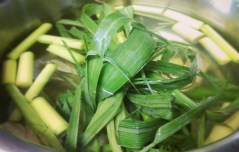
Benefits: Lemongrass contains a number of volatile oils, including one called citral. Some reports indicate that citral acts as an antioxidant that can help protect your cells from damage by free radicals. The same reports note that extracts of lemongrass have anti-microbial properties, helping prevent or slow the growth of bacteria and fungi. Another different study found that an oil extract from lemongrass inhibited growth of streptococcus bacteria in the laboratory, while further research studied the effectiveness of a lemongrass infusion in human subjects with human immunodeficiency virus who had an oral fungal infection called thrush. Researchers found that an oral rinse administered three times daily was more effective than gentian violet, an anti-fungal medication.
Compounds in lemongrass also have properties that might help lower your risk of developing cancer. Several laboratory studies confirmed that lemongrass components could prevent growth of cancer cells. For example, a study in the October 2009 issue of “Fundamentals of Clinical Pharmacology” found that citral from lemongrass slowed the growth of breast cancer cells in the laboratory and also caused them to undergo a process called apoptosis, which causes cell death. Components of lemongrass might also have a sedative effect, increasing the time you stay asleep. In addition, lemongrass may have anti-inflammatory properties that help suppress the activity of cyclooxygenase-2, an enzyme involved in inflammation that can cause pain in disorders such as arthritis.
Method: Fresh, organic lemongrass from the garden is the best way to make your tea but it is also available at grocery stores or health food stores. You can brew a tea by bending and tying two lemongrass stalks with twine, then placing them in a cup and steeping them with boiling water for about 10 minutes, or until the tea becomes golden brown in color. Dried lemongrass is also available in ready-to-use tea bags from some stores.
Caution: Lemongrass tea is generally considered safe and without side effects, although you should avoid it if you’re pregnant. It might also interact with some medicines, including chemotherapy drugs. Discuss lemongrass tea with your doctor to decide if it might be helpful for you.
Moringa tea
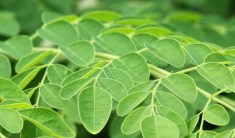
Benefits: We are blessed to have the amazing moringa tree growing in the Kununurra Community Garden. Moringa has become popular as a natural leaf powder supplement. It’s used as a traditional remedy for many ailments, and here are 10 scientifically backed health benefits of consuming the moringa leaf:
- Nutrient packed. Moringa is a rich source of vitamins, minerals, and amino acids. It contains vitamin A, C, and E; calcium; potassium; and protein.
- It fights free radicals.
- It fights inflammation.
- Reduces some diabetic symptoms.
- Protects the cardiovascular system.
- Supports brain health.
- Protects the liver.
- Contains antimicrobial and antibacterial properties.
- Enhances would healing.
Method: Leave the moringa leaves out in the sun to dry. They can then be crumbled to a fine powder. The powder has a mild flavor, so it makes for a light moringa tea with a slightly earthy taste. Place the crushed leaf powder in a cup or teapot and steep in hot water for a few minutes. Strain if required. Use lemon if desired.
Caution: Studies are still being done, but the leaf powder was deemed safe in human studies, even in larger doses than normal. Stay clear of seed extract consumption, as they have shown a level of toxicity in immune cells. Moringa can have laxative effect in large quantities, so a safe dose to introduce it into your food or diet and avoid digestive problems is ½ to 1 teaspoon per day. Avoid eating the root and its extracts. These parts of the plant may contain a toxic substance that can cause paralysis and death. There isn’t enough information to know if moringa is safe when used in medicinal amounts therefore it is not advisable to use if pregnant.
Basil tea
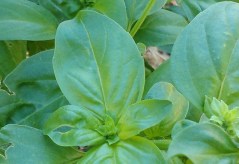
Benefits: Great for supporting healthy skin, stops headaches, relieves stress, helps with kidney stones, supports respiratory health, immune support, good for oral health (make a mouth wash), natural pain killer, soothes arthritic pain, helps with diabetes and generally uplifts the soul.
It has antiseptic and antibacterial properties and it can be used for fever associated with colds and flu. The herb has a slightly diuretic effect and has been used to treat urinary problems.
The fresh leaves have been used as an insect repellant and the juice extracted from the leaves is used to treat snake bites and insect stings. The leaves have been used to remove warts and other skin blemishes. The herb contains many viral inhibitory substances, which explains this traditional use.
Method: Making basil tea is simple. If you want to make some tea simply for flavor, use 1 teaspoon of fresh basil from the garden, washed and sliced finely, 1 cup of boiling water, and allow to steep for one minute.
If you want a cup of tea for health benefits, add 2 teaspoons of basil to one cup of boiling water, and allow to steep for 2 minutes.
To make tea for medicinal or healing purposes, add two teaspoons of basil to one cup of boiling water and allow to gently boil (cover the pot) for no more than 10 minutes. Turn off the flame and allow to cool. Drink warm.
Lemon Basil detox tea
Benefits: The warm fluid that wakes up your digestive tract and helps to keep you regular. The potassium in the lemon and basil helps to counteract bloat from sodium and restore normal fluid balance (goodbye puffiness!). It’s packed with antioxidants that help to protect your body from damaging particles like environmental toxins and cigarette smoke. It keeps you satiated so it helps to stave off cravings so you don’t overdo it at your next meal!
Method: Place your fresh basil leaves and two pieces of washed lemon rind into a cup of hot water and let steep for a few minutes.
Caution: Because sweet basil can enhance the effectiveness of insulin and blood glucose-lowering medications, people with diabetes and those using such medication should use the herb with caution and only under the guidance of a professional health care provider.
Parsley tea
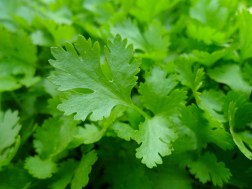 Benefits: Parsley is one of those miracle herbs that protect you from almost anything.
- It is an antioxidant, which means it flushes out toxins from the body.
- It is rich in vitamin C, which supports the absorption of iron in the body; thus, parsley tea cures anemia.
- Parsley carries high levels of beta carotene, folate and vitamin B12. This enables it to enhance and stimulate the assimilation and nutrient utilizing ability of organs.
- One of the biggest parsley tea benefits is its assistance in the treatment of diseases such as arthritis and rheumatism.
- It maintains the elasticity of the blood vessels and also helps in repairing their wear and tear.
- It is rich in enzymes that boosts the digestive system and excretory system.
- It promotes the digestion of fats and proteins that further helps in intestinal absorption.
- It helps in liver assimilation and storage.
- It helps in treating gum problems.
- It relieves excessive gas from the alimentary canal.
- It contains apiol, a constituent of female sex hormone called estrogen. It helps in bringing regularity in menstrual cycles.
- It assists in easing menstrual cramps.
- Parsley tea has high content of chlorophyll. Therefore, it assists the body in getting rid of harmful, pathogenic micro-organism.
- It helps the lungs to discharge residues that keep accumulating in it due to environmental pollution.
- Parsley tea is also known to inhibit cancerous tumor growth.
Method: Place a small, closed fist bunch of fresh parsley in an infusion basket or tea pot and pour 1 cup of boiling water over it. Allow to steep for 5 to 7 minutes. Remove the basket to remove the parsley or pour using strainer. You may want to sweeten with honey and a fresh bit of lemon juice to enhance the flavor. Enjoy!
Caution: Parsley tea should not be given to pregnant women as it acts as a uterus stimulant. Parsley tea is abundant in oxalic acid. Thus, it should not be given to patients of kidney inflammation as it may cause the formation of kidney stones. As with anything, always consult your health practitioner if you are unsure if you should consume parsley tea.
Chilli tea

Not an ingredient you would use purely on it’s on (unless you’re a crazy chilli lover!), but the power of chilli to cleanse our system and flight off a cold or flu you may have picked up, is wonderful. Chilli really fires up your system and gets things moving (including fat). Try this recipe for a warm cleanse.
- 1/2 tsp cut up fresh, dried chilli
- juice from 1/4 of a lemon
- dessert spoon of honey
- hot water
Method: Stir together cut up chilli, juice and honey in a large mug or glass. Pour over hot water and stir to dissolve honey. Let steep 3-5 mins.
Strain if you wish. Drink warm. Add a bit more honey to taste if necessary.
We hope you enjoyed this info session and look forward to receiving your comments.
Happy Brewing!
Sources:
http://www.livestrong.com/article/271243-what-are-the-health-benefits-of-lemongrass-tea/
https://www.herbal-supplement-resource.com/sweet-basil-herb.html
http://naturalon.com/the-many-surprising-health-benefits-of-basil-tea/view-all/#ixzz4t7HszOPl
http://splendorgarden.com/blog/benefits-cleansing-parsley-tea/
http://84thand3rd.com/2012/07/22/chilli-honey-lemon-tea-or-cure-for-the-dreaded-lurgy/
http://nutritiontwins.com/homemade-lemon-basil-detox-tea/
https://www.mindbodygreen.com/0-22401/10-powerful-benefits-of-drinking-moringa-every-day.html
http://www.webmd.com/vitamins-supplements/ingredientmono-1242-moringa.aspx?activeingredientid=1242

 Kununurra Community Garden Kitchen
Chilli tea?…. Got to try..
LikeLiked by 1 person